

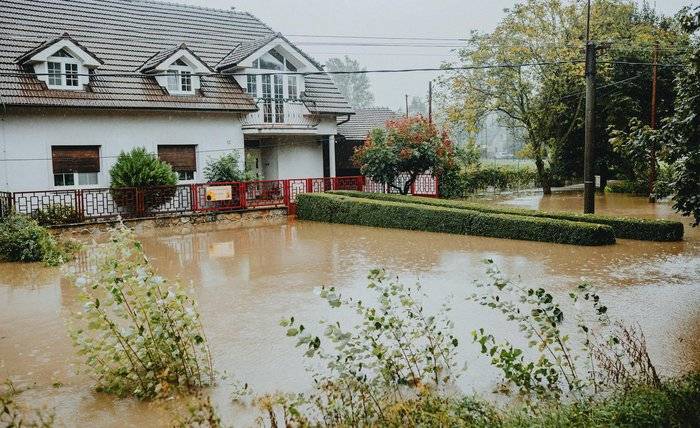
Heavy rain and storm runoff can cause significant damage to homes, leading to costly repairs and long-term structural issues. Water intrusion, foundation erosion, and mold growth are just a few of the problems that can arise when a property is not adequately protected. Homeowners in areas prone to heavy rainfall must take proactive steps to safeguard their investment and ensure the safety and comfort of their families. Understanding the risks and implementing effective solutions can make a substantial difference in preventing water-related damage and maintaining the value of your home for years to come.
Key strategies for rain and runoff protection
Understanding the Risks of Heavy Rain
Heavy rain poses a variety of risks to residential properties, especially in regions where storms are frequent or intense. When rainwater is not properly managed, it can accumulate around the foundation, seep into basements, and cause soil erosion. Over time, this can weaken the structural integrity of a home, leading to cracks in the foundation and walls. Additionally, standing water can create an environment conducive to mold and mildew growth, which can affect indoor air quality and pose health risks to occupants. Flooding is another concern, as excessive runoff can overwhelm drainage systems and lead to water entering living spaces. Recognizing these risks is the first step in developing a comprehensive plan to protect your home from the damaging effects of heavy rain and storm runoff.
The Importance of Proper Drainage
Effective drainage is essential for directing rainwater away from your home and preventing water-related damage. Without proper drainage, water can pool around the foundation, increasing the likelihood of leaks and structural problems. Gutters and downspouts play a crucial role in channeling water off the roof and away from the building. However, these systems must be correctly installed and maintained to function optimally. In Indianapolis, homeowners often seek professional services for gutter install indianapolis to ensure their drainage systems are up to the task. In addition to gutters, grading the landscape so that it slopes away from the house can further reduce the risk of water accumulation. Regularly inspecting and cleaning drainage systems helps prevent clogs and ensures that water flows freely during heavy storms.
Maintaining Your Roof and Gutters
The roof and gutters are your home’s first line of defense against heavy rain. A well-maintained roof prevents water from seeping into the attic and walls, while gutters collect and direct rainwater away from the structure. Over time, debris such as leaves, twigs, and dirt can accumulate in gutters, causing blockages that lead to overflow and water damage. It is important to clean gutters regularly, especially before and after storm seasons, to keep them functioning properly. Inspecting the roof for missing or damaged shingles, cracks, and other signs of wear can help identify potential entry points for water. Prompt repairs are essential to prevent minor issues from escalating into major problems. Additionally, installing gutter guards can reduce maintenance needs and improve the efficiency of your drainage system. By prioritizing roof and gutter maintenance, homeowners can significantly reduce the risk of water intrusion and protect their property from the effects of heavy rain.
Landscaping Solutions for Water Management
Landscaping plays a significant role in managing storm runoff and protecting your home from water damage. Strategic landscaping can help absorb excess rainwater, slow down runoff, and direct water away from the foundation. Planting native vegetation with deep root systems can stabilize soil and reduce erosion, while creating rain gardens in low-lying areas can capture and filter runoff before it reaches your home. Permeable surfaces, such as gravel or pavers, allow water to soak into the ground rather than pooling on hard surfaces. Installing French drains or dry creek beds can further enhance drainage and prevent water from accumulating near the house. It is also important to avoid planting trees or large shrubs too close to the foundation, as their roots can interfere with drainage systems and cause structural issues. Thoughtful landscaping not only enhances the appearance of your property but also serves as a practical solution for managing heavy rain and storm runoff.
Quick Tips for Immediate Protection
Sealing cracks in your foundation and basement walls is a quick way to prevent water from entering your home during heavy rain. Applying waterproof coatings to vulnerable areas can provide an extra layer of defense. Keeping sandbags on hand can help divert water away from entry points in the event of severe storms. Regularly checking sump pumps and ensuring they are in working order is also crucial for homes with basements.
Preventing Basement Flooding
Basement flooding is a common issue during periods of heavy rain, particularly in homes with inadequate drainage or waterproofing. Water can enter basements through cracks in the foundation, window wells, or floor drains, leading to property damage and potential health hazards. To prevent flooding, it is important to ensure that the ground around your home slopes away from the foundation, allowing water to flow naturally away from the building. Installing a sump pump can provide an additional layer of protection by automatically removing water that accumulates in the basement. Regularly inspecting basement walls and floors for signs of moisture or leaks can help catch problems early and prevent extensive damage. Waterproofing the basement with sealants and vapor barriers can further reduce the risk of water intrusion. By taking these steps, homeowners can minimize the likelihood of basement flooding and protect their property from the damaging effects of heavy rain and storm runoff.
Conclusion
Protecting your home from heavy rain and storm runoff requires a combination of proactive maintenance, effective drainage solutions, and thoughtful landscaping. By understanding the risks associated with water intrusion and implementing strategies to manage rainwater, homeowners can prevent costly damage and maintain a safe, comfortable living environment. Regular inspections of roofs, gutters, and drainage systems, along with timely repairs and upgrades, are essential for long-term protection. Landscaping choices and quick-response measures can further enhance your home’s resilience against severe weather. Taking these steps not only safeguards your property but also provides peace of mind during stormy seasons, ensuring your home remains a secure haven for you and your family.