

Key Takeaways
- Understanding the digital risks that threaten personal privacy is crucial in the modern world.
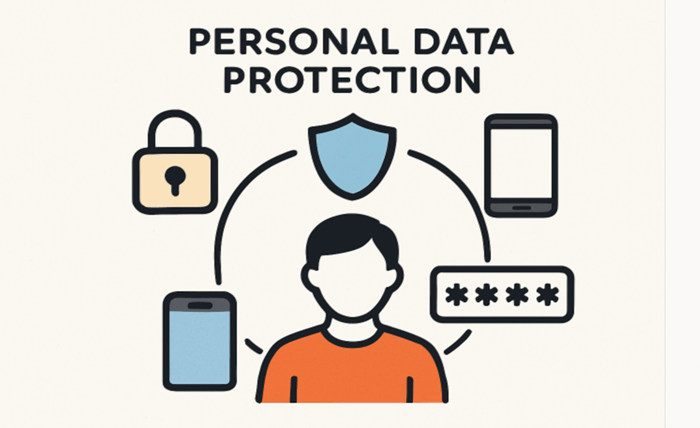
- Simple security practices, like using strong passwords and enabling two-factor authentication, significantly enhance data protection.
- Organizations play a vital role in data privacy through regulations and employee education.
- Ongoing vigilance and awareness are crucial for navigating the ever-evolving landscape of cybersecurity threats.
Understanding the Risks in a Digital World
Everyday actions—whether managing finances, shopping, or interacting socially—leave behind traces of our personal data in the digital realm. From every online purchase to each social media post, a digital footprint is formed, often in ways we don’t immediately see. These digital footprints offer unmatched convenience but can also expose us to identity theft, financial crime, or privacy intrusions. Not only can hackers exploit these traces for malicious reasons, but companies may also collect, store, and analyze this information, shaping everything from advertising to our online experiences. According to studies, a significant portion of the public remains deeply concerned about how both corporations and governments handle their personal information, which signals an increased awareness of digital security and privacy.
Staying safe online is more than just relying on technology it requires awareness and education. People must understand what information they’re giving away, who is collecting it, and how it might be used. Participating in training on data privacy is one of the most effective ways individuals and organizations can remain vigilant and prepared against cyber threats. Such training often instills best practices and builds a culture where data protection is prioritized at every level, both in private life and the workplace. Understanding how to properly secure your personal information is no longer optional; it’s a necessity for daily digital life. Without taking proactive steps and remaining conscious of evolving risks, anyone can quickly become susceptible to scams or data loss.
Practical Steps to Enhance Data Privacy
Enhancing your personal data privacy doesn’t have to be complicated. A handful of straightforward practices can make a substantial difference in securing your digital presence and reducing the risk of unwanted exposure from cybercriminals or unauthorized parties. By adopting these practical steps and making them routine, you can sharply decrease your digital vulnerability while enjoying the online conveniences the internet offers.
- Use Strong, Unique Passwords: Avoid reusing passwords and opt for passwords that combine upper and lowercase letters, numbers, and special characters. Password managers can help you generate and store them safely. According to CISA’s guidelines on using strong passwords, regularly updating important passwords adds an extra layer of security, ensuring that even if one password is compromised, it doesn’t jeopardize your entire digital identity.
- Enable Two-Factor Authentication (2FA): With 2FA, gaining access to your account requires more than just a stolen password, substantially reducing your vulnerability. Most major services, including banks, social platforms, and email providers, offer 2FA options that add a valuable checkpoint before anyone can access your information.
- Regularly Update Software: Outdated systems and apps often contain vulnerabilities that cybercriminals exploit. Enable automatic updates when available. Software developers routinely issue patches to fix newly discovered security holes, so staying up to date is a foundational aspect of personal cybersecurity.
- Use Caution on Public Wi-Fi: Never input sensitive information on unsecured networks. A Virtual Private Network (VPN) can encrypt your connection and shield data from prying eyes. Hackers frequently target public Wi-Fi hotspots in airports, cafes, and hotels, making it essential to avoid banking, shopping, or entering sensitive information when on these networks.
- Monitor App Permissions: Review what data your installed apps can access, and limit permissions to only what’s essential for app functionality. Many apps request unnecessary permissions, such as access to contacts or location data, which can lead to unexpected data sharing or exposure.
Beyond these steps, it’s important to review your privacy settings across social media platforms and ensure that only trusted friends and contacts have access to the information you post. Opt-in for multi-factor authentication where possible, and always log out of accounts when using shared devices. By weaving these habits into your daily routine, protecting your data becomes second nature.
The Role of Businesses in Data Protection
The organizations that store, process, and use our personal data have a pivotal obligation to safeguard it. This duty goes beyond mere technical controls; it also involves fostering a company-wide culture of privacy and trustworthy data handling. Encrypting sensitive information, implementing regular audits to identify vulnerabilities, and maintaining transparent privacy policies lay the foundation for customer trust. Failure to prioritize security can result not only in data breaches but also in significant reputational harm and legal consequences.
Regulations and Compliance
Laws such as the General Data Protection Regulation (GDPR) and the California Consumer Privacy Act (CCPA) dictate how businesses collect, store, and utilize personal information. These regulations aim to empower consumers with control over their own data, introducing rights such as access, withdrawal, and the ability to request deletion. Compliance is not simply a legal checkbox it provides a framework for ethical data handling, which directly impacts corporate reputation and consumer confidence. Firms that fall short may face substantial fines and loss of customer loyalty, while those that excel at privacy can leverage it as a competitive advantage.
Employee Awareness and Training
Even the most robust security infrastructure can be compromised by human error. That’s why regular staff education about data protection, potential threats such as phishing, and corporate security policies is indispensable for maintaining robust data privacy measures within organizations. Employees who understand their roles in safeguarding data are better equipped to recognize suspicious activity, avoid common traps, and report incidents promptly, helping to minimize damage and recovery costs.
Businesses should invest in comprehensive security awareness programs, encouraging ongoing learning and responsiveness to emerging threats to foster a proactive rather than reactive posture. Fostering a shared sense of responsibility, from leadership to front-line staff, ensures that privacy becomes an integral part of an organization’s ethos.
Staying Informed and Vigilant
The digital landscape is ever-evolving, and cyber threats become increasingly sophisticated each year. Staying informed about current risks and best practices is crucial to protect yourself and those in your care. Set reminders to periodically review your bank and credit statements early detection of suspicious activity can be the difference between minor inconvenience and significant loss. Cybercriminals constantly evolve their tactics, so understanding the latest scams and defensive techniques is key to minimizing your risk.
It’s equally important to regularly review what you share on social platforms and read the privacy policies for any services you use. Digital privacy isn’t static; it’s a continuous process of education, adaptation, and caution. Subscribe to credible cybersecurity news sources, and consider attending webinars or courses that outline both fundamental and emerging privacy issues. The more you know, the more empowered you are to make wise decisions, secure your data, and recognize threats before they impact you.
Conclusion
Protecting your personal data requires both individual vigilance and collective responsibility. Adopting simple safeguards and investing in ongoing training on data privacy reduces your risk of falling victim to data breaches. At the same time, businesses must prioritize ethical data use and rigorous security protocols to maintain the digital trust that underpins modern society. By working together and staying informed, we can safely navigate an interconnected world and enjoy the benefits of digital innovation with confidence. The responsibility to protect data falls to everyone whether as an individual staying vigilant or as part of an organization that builds privacy into every process.